Why Industry-Standard Pay and Benefits No Longer Work in Mining
February 9, 2026
Why Retirement Planning Is Critical for Leadership Continuity
March 13, 2026
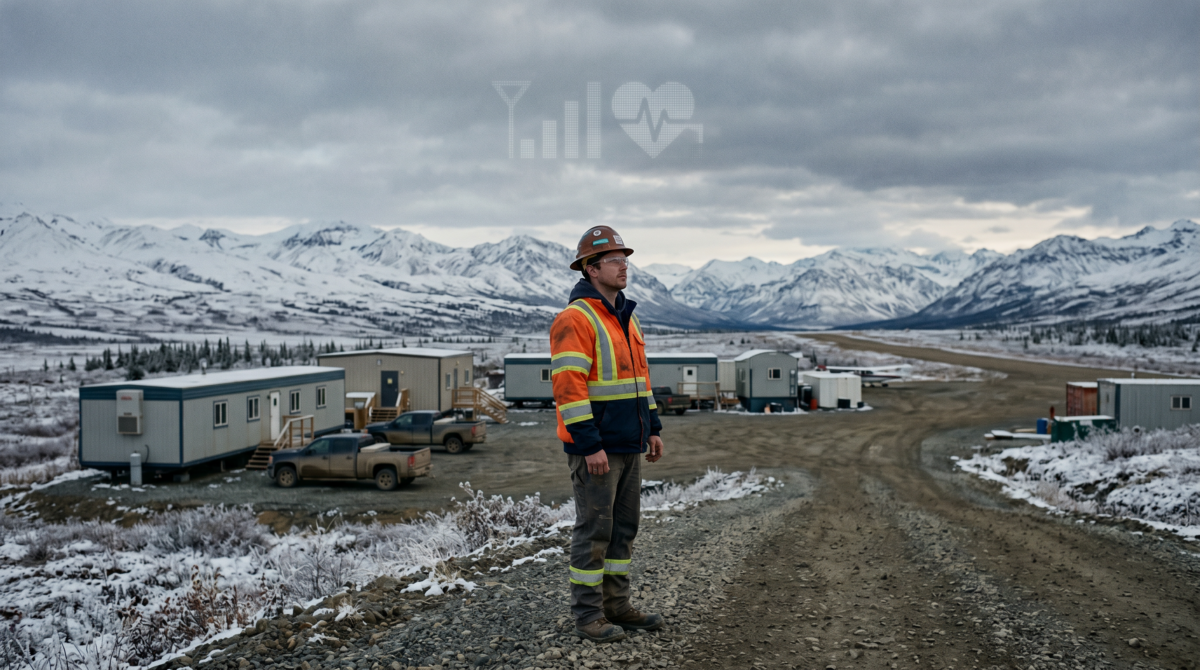
In remote mining, healthcare access affects continuity.
In mining, access to healthcare is often treated as an employee support issue. In remote operations, it is much more than that.
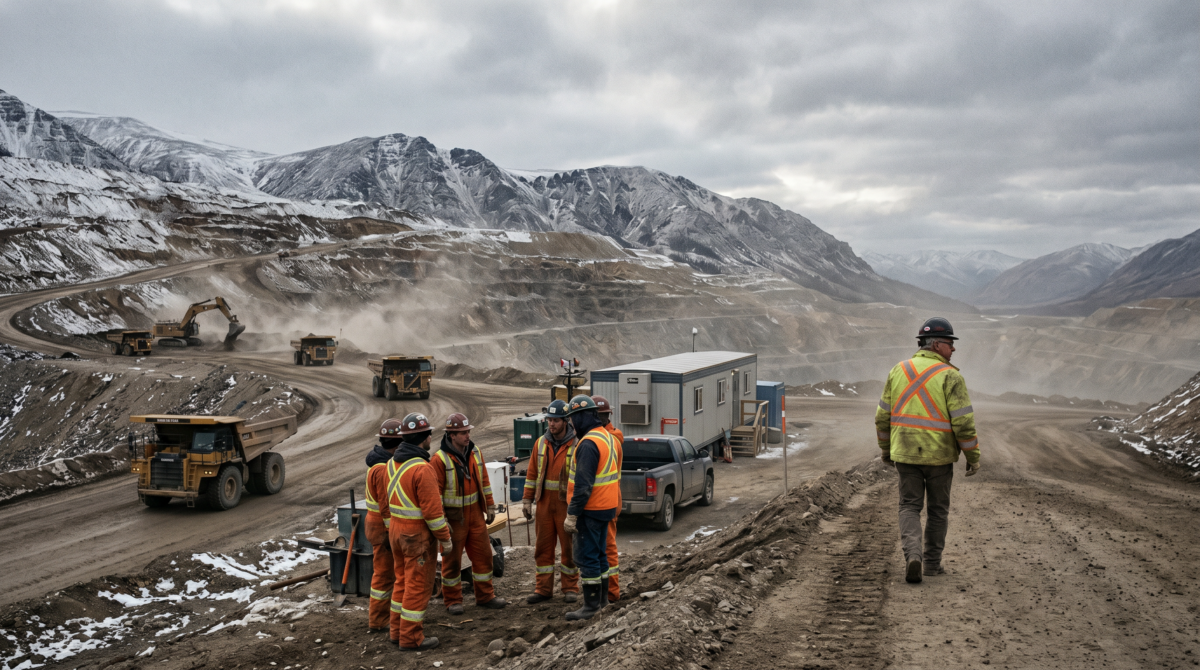
When a workforce is based in the north, working rotational schedules, or operating far from established care networks, access to care becomes part of the infrastructure that keeps the business running.
That is especially true in mining, where operations are already managing fatigue, isolation, safety exposure, leadership strain, and the practical realities of fly-in, fly-out work.
Remote workforces do not have the same access to care
This is the starting point.
Workers in northern, rural, and remote parts of Canada do not have the same level of access to primary care that employees in urban centres can take for granted. That is one reason Healthcare Excellence Canada has focused specifically on improving access to team-based primary care in northern, rural, and remote communities.
For mining employers, that gap matters.
If basic care is harder to access, small health issues can take longer to address. Time away from the site becomes more disruptive. Health concerns that might have been handled early can become more serious, more expensive, and harder to manage.
That is not just a healthcare problem; it is a workforce stability problem.
FIFO changes the equation
A remote mining operation does not just employ people in one place. It manages a cycle of travel, camp life, shift work, and return home.
That model creates its own pressures. Canadian research on FIFO and mobile work has linked those work patterns to fatigue, burnout, and broader strain on health and well-being.
This does not mean FIFO is inherently unsustainable. It means the support model has to reflect the reality of how people are working. A benefits strategy that assumes employees can access care the same way they would in a major city is usually not built for the environment in which mining companies are actually operating.
In remote mining, healthcare access affects continuity
For a mining company, the risk is not limited to whether a worker has coverage. The bigger question is whether they can actually get care when they need it.
That affects:
- time away from the site
- escalation of untreated issues
- workforce fatigue
- supervisor strain
- retention in hard-to-staff environments
In other words, healthcare access has a direct relationship to continuity.
That matters even more in leaner organizations, where a relatively small number of people carry a large share of operational responsibility. Pelorus already makes that broader argument in its mining positioning: workforce disruption does not stay inside HR. It can create delays, cost pressure, and strain on leadership focus.
On-site care is not the only answer
Some operations may look at on-site medical support as the obvious solution. In some environments, that may make sense. But for many mining employers, especially smaller or growth-stage organizations, a full on-site model can be costly, difficult to staff, and hard to scale.
That is why hybrid models matter.
Virtual care, coordinated primary care access, EFAP support, and other remote-friendly healthcare structures can help close the gap between what workers need and what isolated operating environments can realistically provide. That broader Canadian shift toward more flexible primary care models is already reflected in efforts to improve access to care in northern and remote communities.
The point is not that every mine needs the same healthcare structure. The point is that remote operations require a healthcare strategy that aligns with the operating model.
This is also a recruitment and retention issue
Remote sites are already harder to staff.
Canadian mining coverage continues to highlight how difficult it is to attract and retain people for isolated project locations, and how workforce accommodations and support systems have become part of that equation.
Healthcare access belongs in that conversation. A company does not strengthen its position simply by offering coverage. It strengthens its position by showing that support is usable in the setting where employees are actually working.
That is the difference between a benefit that exists on paper and a support model that helps people stay.
The better question is not “Do we offer benefits?”
It is “Can our people realistically access care in the environments where we operate?”
That is a more useful question for mining employers because it gets closer to the real issue.
Remote operations do not deal with abstract workforce challenges. They are managing practical ones. Can people get care early? Can they access support during rotations? Can leaders reduce avoidable strain on teams? Can the company protect continuity in an environment where disruption is expensive?
Those are operational questions. And they should be treated that way.
The bottom line
In remote mining operations, healthcare access is not a perk layered on top of the business.
It is part of the structure that supports workforce stability, protects leadership capacity, and helps reduce avoidable disruption. For mining employers, the issue is not simply whether benefits are offered. It is whether care is actually reachable.
Pelorus helps mining organizations design benefits and support strategies that reflect the realities of remote work, rotational schedules, and the operational demands of mining in the north.