Building a Mine in Canada Today: Why Workforce Stability Is Your Hidden Capital Strategy
January 28, 2026
For decades, mining and energy employers relied on a simple equation: competitive pay would attract and retain talent. That equation no longer holds.
Across Canada’s resource sectors, wage inflation has not translated into workforce stability. Labour shortages persist, turnover remains high, and competition from oil & gas, construction, and infrastructure continues to intensify.
The issue isn’t effort — it’s fit and operational reality.
The workforce has changed, and mining is feeling it
Younger workers entering the labour market are prioritizing different factors than previous generations. Work-life balance, mental-health support, safety, and sustainability play a larger role in career decisions.
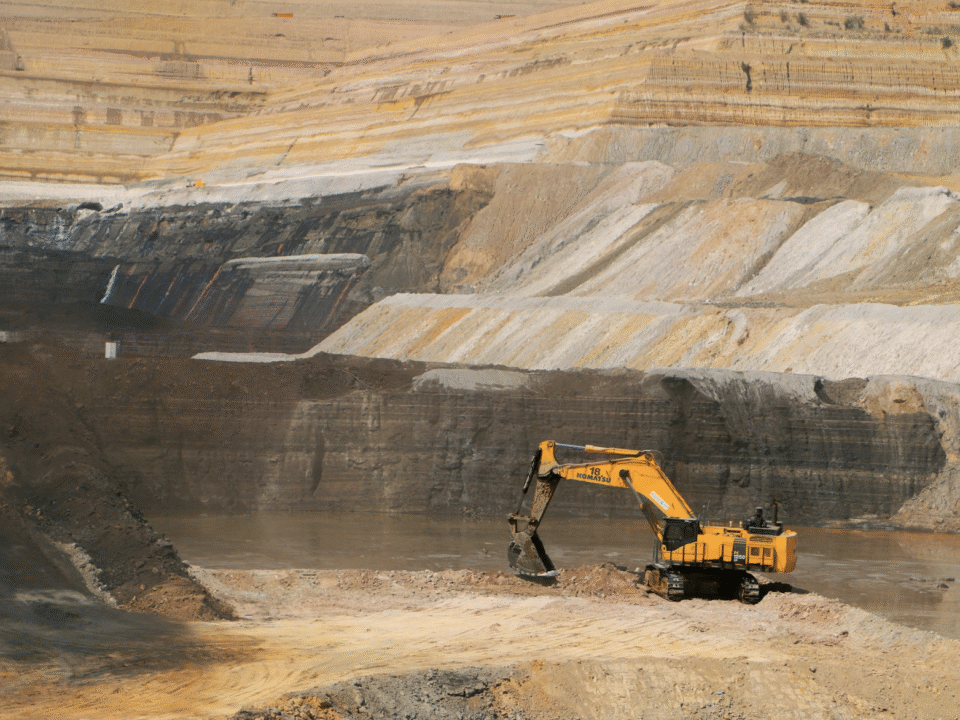
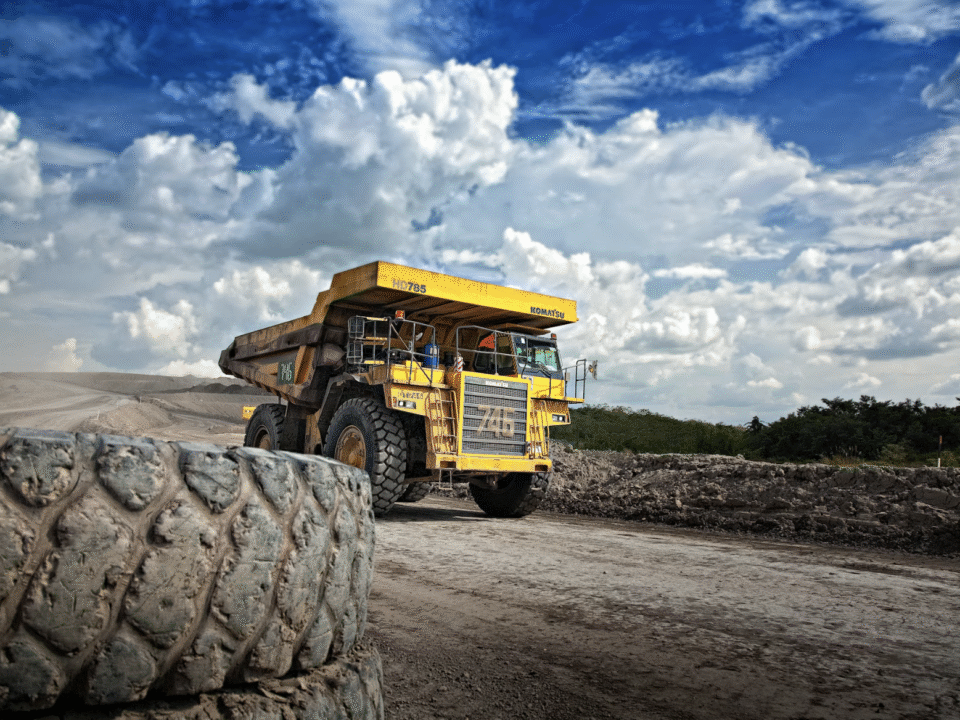
Mining, in particular, struggles with perceptions of remoteness and lifestyle — and those perceptions become reality when support systems don’t keep up with how work actually happens.
Even when compensation is competitive, many roles still require long rotations, remote living conditions, and sustained physical and mental demands. That combination places more pressure on retention — especially when competing industries can offer greater predictability.
Benefits that don’t work where the work happens
Many benefit programs still assume:
- Predictable schedules
- Urban access to care
- Office-based work patterns
That assumption breaks down in remote mines, fly-in/fly-out operations, and field-based projects. When workers can’t realistically access care, counselling, or preventive services, benefits lose credibility — and retention suffers.
This is where “industry standard” plans fail. They’re often designed around administrative convenience rather than operational fit. In mining, fit matters.
Mental health is a retention lever
Fatigue, isolation, and prolonged time away from home take a toll. When mental health support is delayed, inaccessible, or not available during rotation, strain shows up in absenteeism, turnover, and increased safety exposure.
Employers who treat mental health as a workforce stability and safety issue — not a wellness perk — build stronger teams and reduce downstream disruption.
This isn’t just about access to care; it’s also about credibility: teams need to believe support is real, accessible, and usable when it’s needed most.
A different total rewards model built for mining reality
Winning employers are rethinking total rewards to reflect how mining work actually operates:
- Access to care regardless of location
- Benefits aligned to rotation schedules
- Mental health support that is practical, confidential, and usable
- Clear communication that workers actually understand and use
These elements aren’t about generosity. They’re about functionality, operational fit, and workforce risk reduction.
The bottom line
Mining employers don’t lose people because they don’t pay. They lose people when the overall experience is unsustainable — when support doesn’t match the job, and when benefits don’t work in the environments where teams live and operate.
Pelorus helps mining organizations design benefit strategies that hold up under real operating pressure — because retention now depends on fit, not just compensation.