

Why Junior Mining Companies Need a Different Benefits Strategy Than Senior Producers
April 10, 2026
The Caregiving Crisis Hiding in Plain Sight (And Why It Belongs in Your Benefits Strategy)
August 27, 2026
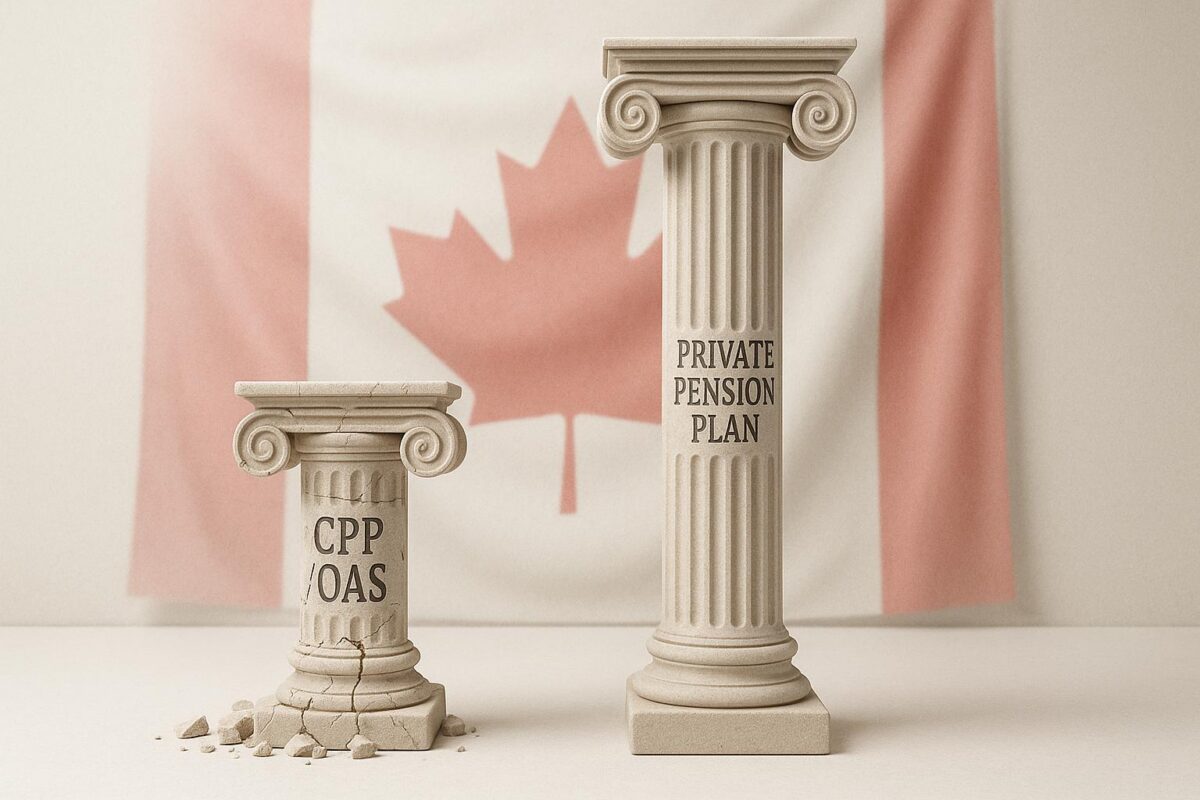
You will need to consider your retirement goals in light of your lifestyle plans.
Retirement income planning involves many important decisions, including when to start government pensions such as CPP/QPP and OAS. While taking benefits at age 65 is most common, delaying can provide higher monthly payments for life. The right choice depends on your retirement goals, income needs, legacy and overall financial plans.
How they work
CPP and QPP are public pensions funded through contributions during your working years. Payments depend on your contribution history and earnings starting from age 18. OAS is based on the number of years you’ve lived in Canada after age 18. All three benefits are taxable and indexed to inflation.
For 2026:
- Maximum CPP/QPP payment at age 65: $1,507.65/month
- Maximum OAS payment at age 65: $743.05/month
Understanding your options
CPP/QPP
- Early start (age 60): Benefits are reduced by 0.6% for each month before age 65, up to 36%.
- Delayed start (up to age 70): Benefits increase by 0.7% for each month after age 65, up to 42% at age 70.
- QPP only: Can be delayed to age 72 for a total increase of 58.8%.
OAS
- Standard start: Benefits begin at age 65.
- Delayed start (up to age 70): Similar to CPP, benefits increase by 0.6% per month delayed after age 65, up to 36%.
What this means
Assuming a $1,000 monthly CPP/QPP benefit at age 65:
- Starting at age 60 reduces the payment to $640/month.
- Delaying to age 70 increases the payment to $1,420/month.
- For QPP, delaying to age 72 increases the payment to $1,588/month.
For OAS:
- Delaying a $743 monthly payment to age 70 increases it to $1,010.54/month.
Things to consider
Financial needs
You will need to consider your retirement goals based on your lifestyle plans. Do you want to travel extensively within the first 10 years of retirement while you are still healthy and mobile then slow down, drawing less from your investments since your social security amounts have started. Possibly, you will consider moving into a retirement home which is not inexpensive. You might want to begin your social benefits at retirement to reduce the drawdown on your investments to leave a larger legacy to your children, grandchildren or philanthropic reasons.
Inflation and investment risks
CPP/QPP and OAS are indexed to inflation based on the Consumer Price Index (CPI). Delaying these benefits increases the guaranteed inflation protected income giving you the opportunity to take less risk with your investments. Alternatively, receiving social benefits at retirement could lead to more investment risk to compensate for the lower monthly benefits.
Longevity risk
Delaying may result in higher lifetime income if you expect a longer retirement. Taking benefits earlier may make sense if there is a history of family health concerns leading to shorten life expectancy.
Tax implications
All benefits are taxable income. Delaying these benefits might reduce your taxable income in the earlier years, knowing your marginal tax rate will be high. Remember, OAS is subject to a claw back if your total income from all sources exceeds a threshold, $93,454 for 2025.
Working with an advisor
Choosing when to start CPP/QPP and OAS is a taxation not a personal decision. Working with an advisor who has the financial tools to identify your retirement goals, lifestyle plans, family legacy and/or philanthropic objectives are all important. If providing a legacy for family or philanthropic reasons resonates with you, a deeper dive into taxation, family trust, life insurance declaration trust are all items for discussion. Your decision will drive the solution when to draw your social benefits.